Born out of the CBGB scene, Blondie fused punk energy with disco, reggae, and pop hooks to become one of the defining bands of new wave — fronted by the era-defining presence of Debbie Harry.
Explore the Catalogue →The commercial and creative breakthrough — a razor-sharp fusion of punk attitude and pop songcraft that made them global stars.
A bolder, more experimental follow-up that pushed the band’s sound toward disco and dub textures.
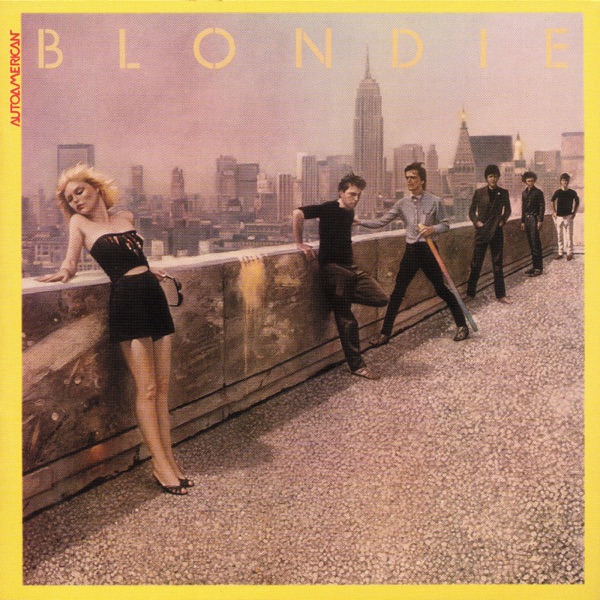
A genre-scrambling detour into disco, reggae, and even orchestral pop — proof of the band’s restless ambition.
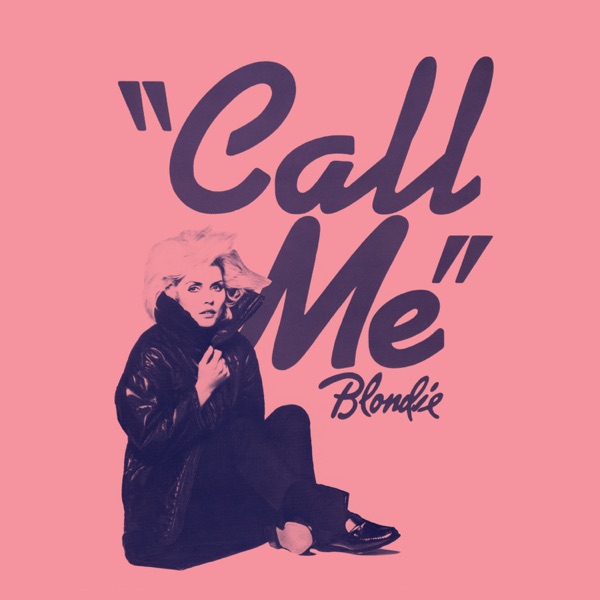
A Giorgio Moroder collaboration for the film American Gigolo that became one of the year’s biggest singles.
Formed in 1974 in New York City, Blondie emerged from the same downtown scene that produced the Ramones and Talking Heads, playing early shows at CBGB alongside their punk contemporaries. Fronted by Debbie Harry alongside guitarist and co-songwriter Chris Stein, the band quickly distinguished itself with a genre-agnostic approach few of their peers attempted.
Where much of the CBGB scene stayed rooted in stripped-down punk, Blondie folded in disco grooves, reggae rhythms, and unabashed pop hooks — a fusion that turned "Heart of Glass" and "Call Me" into inescapable chart-toppers without sacrificing their downtown credibility.
Inducted into the Rock and Roll Hall of Fame in 2006, Blondie's influence stretches across new wave, dance-pop, and beyond — a rare band that helped invent an era's sound while refusing to be boxed into it.
Punk, disco, reggae, and pop coexisted in their catalogue years before "genre fusion" became a critical buzzword.
A magnetic frontwoman whose style and delivery reshaped expectations for women fronting rock bands.
Their rise helped put New York's downtown punk scene on the international map alongside their CBGB peers.
Proved punk-adjacent artists could top the pop charts without diluting their creative identity.